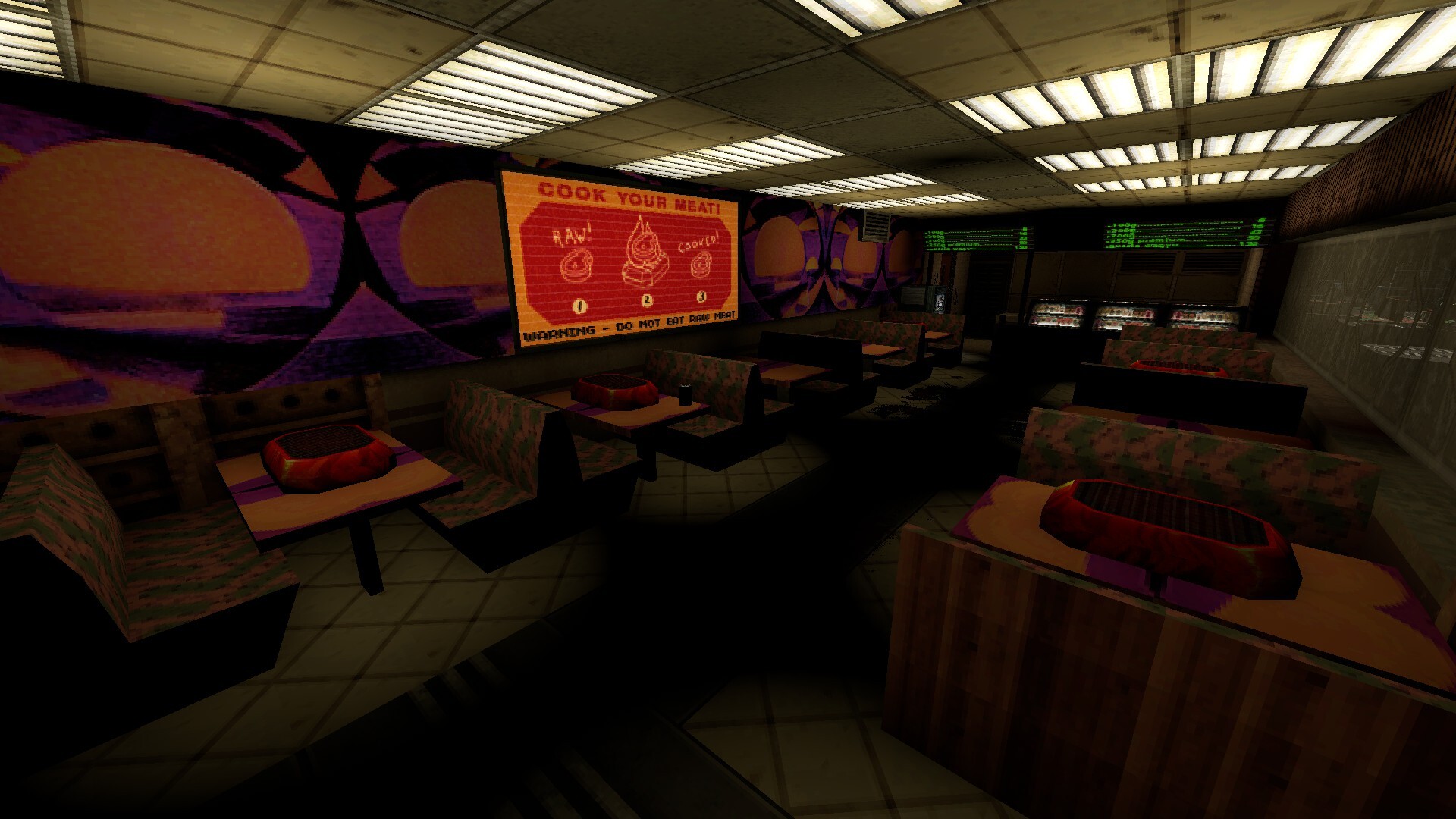
Crafting turns scavenged resources into healing items, distractions, or traps. The only confirmed named recipe before Early Access is bandage + flask → firebomb, which ignites on impact and burns through blockages.
More context
Crafting matters more than firefights because the official copy warns that "not all fights can be won" — crafted tools let you bypass dinosaurs or burn through obstacles instead of trading bullets with a larger predator.
On this page
How Crafting Works
The crafting system takes two or more scavenged resources and turns them into a usable tool or consumable. Recipes are not learned from a menu; they are tied to the items you find in caches while exploring. Once you have the right components in your inventory, the combination happens in the inventory screen rather than at a dedicated workbench.
The reason crafting matters more than firefights is that official copy warns "not all fights can be won." Crafted tools give you a way to bypass dinosaurs or burn through obstacles so you can keep moving instead of trading bullets with a larger predator.
How to Make a Molotov (Bandage + Flask Firebomb)
The only confirmed named recipe before Early Access is the bandage-and-flask firebomb. Take one bandage and one empty flask from a cache, then combine them. The result is an improvised incendiary that works in two ways at once:
- It ignites on impact, giving you a thrown distraction or damage source against a single dinosaur.
- It can burn through blockages that would otherwise stay sealed, opening new paths and shortcuts you cannot reach any other way.
Treat firebombs as your go-to utility item. Carry at least one bandage and one flask whenever you leave a cache so you can rebuild the recipe on the fly.
Healing Items and the Trauma Kit
Healing items are produced through the same crafting pipeline. The Steam description lists "healing items" as one of the three crafting categories, and the field tool for treating injuries is the trauma kit, which the Steam community summary confirms is used to fix broken legs while exploring.
Detailed recipe lists for medkits or other healing consumables have not been published ahead of the Early Access launch, and how healing items stack or recharge is not yet described in public materials. Plan around that: do not assume medkits are unlimited, and treat the trauma kit as a single-use field tool rather than a regenerating skill.
Improvised Traps and Distractions
The third crafting category is improvised traps and distractions. The Steam description groups them together as tools that "create distractions, or traps," and they share the same combine-resources pipeline as healing items and incendiaries.
Use distractions to pull a single predator off your path so you can slip past a blocked corridor. Use traps when a choke point forces a confrontation you would rather not fight. Concrete trap and distraction recipes beyond the bandage-and-flask firebomb have not been publicly listed before Early Access, but the same logic applies: combine scavenged resources, and the result handles encounters that pure firepower cannot.
Where to Find Crafting Components
Components for crafting come from the caches of vital equipment scattered through the SAIR facility. Every cache holds logs from the people who worked there as well as the bandages, flasks, fuel, ammo boxes, and other resources you need to craft. When you loot a cache, take one extra bandage and one extra flask so you can rebuild a firebomb on the next leg of the route.
Crafting Strategy
- Keep a bandage and a flask reserved for firebomb assembly; do not consume them as raw healing or throwables.
- Save firebombs for sealed blockages first, then for fights, then for distractions — opening a new path is usually worth more than killing one raptor.
- Do not assume crafted items stack: public materials describe them as finite scavenged equipment, not regenerating consumables.